

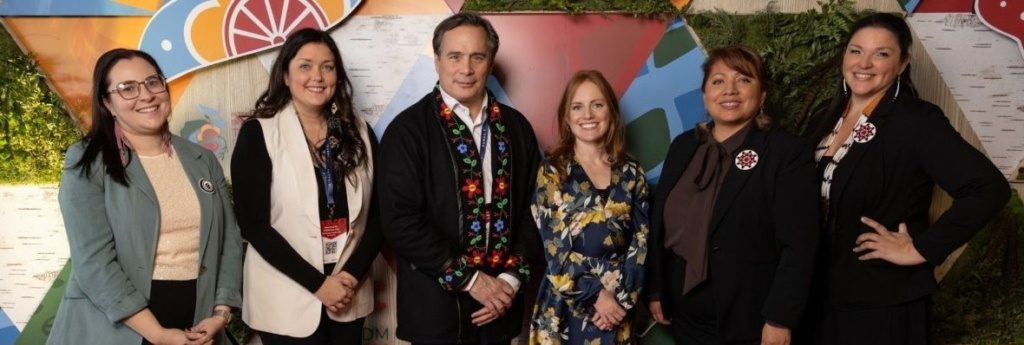
Building respectful, mutually beneficial relationships with Indigenous communities and advancing tourism systems that are owned, guided and governed by Indigenous Peoples is the objective of a new trade toolkit unveiled at the recent 2026 International Indigenous Tourism Conference in Edmonton.
Produced by the Indigenous Tourism Association of Canada (ITAC) and the American Indigenous Tourism Association (AIT) with support from the Destinations International Foundation, the new the Indigenous-Led Tourism Partnership Toolkit outlines actionable guidance for destination organizations, including:
- Building respectful and culturally aware relationships grounded in research, humility and listening
- Recognizing Indigenous peoples as rights-holders and honouring sovereignty and governance structures
- Supporting Indigenous-defined tourism readiness through self-determined planning and capacity building
- Formalizing partnerships through tools such as Memoranda of Understanding (MOUs)
- Embedding Indigenous engagement across marketing, procurement, governance and visitor services
- Developing visitor education strategies that promote responsible and culturally aware travel
Drawing on research from Destinations International, the toolkit addresses a critical gap: many destination organizations lack formal relationships with Indigenous communities and seek guidance to establish partnerships rooted in trust and authenticity.
To that end, the guide provides practical frameworks, readiness assessments and operational tools to help destinations move from intention to sustained action.
Across North America, Indigenous-led tourism represents a powerful and growing economic force. In Canada, Indigenous tourism generated $1.3 billion in GDP in 2023, supporting nearly 54,700 jobs. By 2034, Indigenous tourism is projected to contribute $67 billion USD globally.
“Indigenous-led tourism is not simply a market opportunity, it is a pathway to community vitality, cultural revitalization and self-determination,” says Don Welsh, president & CEO of Destinations International. “This toolkit provides destination organizations with a practical framework to approach partnerships with humility, respect and long-term commitment, ensuring Indigenous voices are not symbolic participants but leaders at the table.”
Keith Henry, president & CEO of the Indigenous Tourism Association of Canada (ITAC), adds,
“Indigenous tourism must always be Indigenous-led and grounded in our communities’ values, governance and vision for the future. This toolkit is an important step in helping destination organizations understand how to engage with Indigenous communities respectfully and effectively while supporting economic reconciliation, cultural revitalization and long-term partnership built on trust.”
The publication also highlights accreditation models such as “The Original Original Accreditation Program,” created by Indigenous tourism operators and initiated by ITAC, which signals authentic Indigenous ownership and operational excellence. The program is now being adapted by AIT for Indigenous tourism businesses in the United States, and in New Zealand by New Zealand Māori Tourism (NZMT). Destination Original Indigenous Tourism is working to develop a global stream of the program worldwide.
The Indigenous-Led Tourism Partnership Toolkit emphasizes that meaningful engagement must extend beyond isolated initiatives. It calls on destination organizations to align governance, marketing, procurement, crisis response and community engagement practices with Indigenous leadership and priorities, ensuring tourism reflects the full identity and future of place.
“Visitors increasingly recognize the profound value of hearing authentic Indigenous stories –rooted in thousands of years of tradition and passed down through generations – especially when shared by Indigenous people from the very communities they represent,” said Sherry L. Rupert, (Paiute/Washoe), CEO of the American Indigenous Tourism Association (AIT). “When tourism is Indigenous-led, it fosters mutual respect and understanding while strengthening cultural pride and preservation. Ultimately, this resource helps ensure that tourism grows in a way that uplifts Indigenous voices, priorities and futures.”
The full toolkit is available online.
If you enjoyed or found this story useful, we’d appreciate if you would forward it to a colleague or friend who may also enjoy it. If, on the other hand, a friend shared it with you, welcome! You can get all the latest travel news and reviews from Travel Industry by simply clicking HERE.