


By Cindy-Lou Dale/ A quiet shift is reshaping what luxury means. Once, it was measured in exclusivity – fine linens, private jets, and polished isolation. Now, it’s measured in connection: to nature, to people, and to place.
Today’s traveller values authenticity over opulence, depth over distance. The world’s most meaningful experiences aren’t about having more but about feeling more.
This is not the end of luxury – it’s its evolution.
Bhutan: The Kingdom of Quiet Wonder
Between India and Tibet, Bhutan remains one of the world’s most mindful destinations. Its philosophy of Gross National Happiness isn’t just rhetoric – it guides everything from conservation to tourism policy. The country limits visitor numbers and enforces a “high-value, low-volume” model, ensuring that its monasteries, forests, and traditions remain unspoiled.
Trails lead through rhododendron forests and high passes draped in prayer flags. The iconic Tiger’s Nest Monastery, perched on a cliff 900 metres above the valley floor, feels less like a landmark than a revelation. In lodges such as Gangtey and Amankora, hand-built architecture blends into the landscape, while wood-burning stoves and woven textiles keep luxury grounded in local craftsmanship.
Meals are simple but soulful – red rice, ema datshi (chilies in cheese), yak butter tea, wild honey from mountain hives.
Why Bhutan over Nepal or Tibet: Nepal offers rugged adventure and accessibility; Tibet, spirituality under constraint. Bhutan merges both – the serenity of sacred tradition with national protection that keeps its culture and environment intact.
The Maldives: Light as Luxury
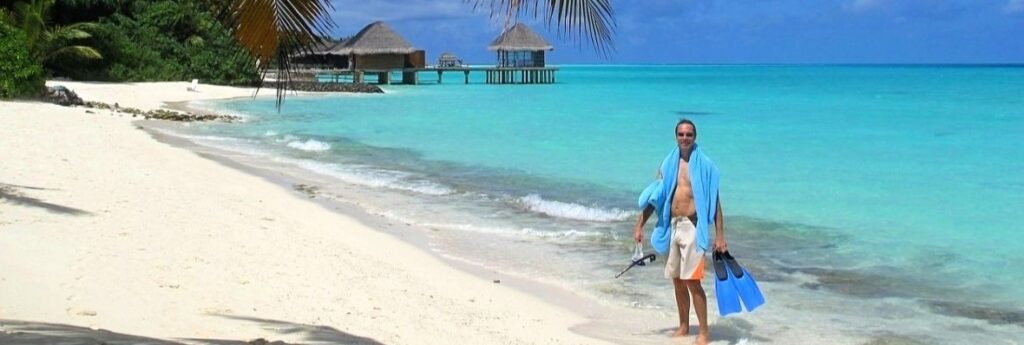
From the air, the Maldives looks like a scattering of emerald rings across a turquoise sea. But what defines these islands today isn’t their beauty – it’s their blueprint for the future. Resorts such as Soneva Fushi, Kudadoo, and Joali have redefined indulgence through sustainability: solar fields powering villas, coral nurseries repairing reefs, and island gardens replacing imports with homegrown produce.
Days revolve around the ocean: diving among manta rays, paddleboarding through lagoons, or learning about marine conservation with resident biologists. As night falls, bioluminescent plankton turns the water electric blue – a reminder of nature’s fragile brilliance.
Why the Maldives over Seychelles: The Seychelles is wild and untamed; the Maldives is a masterclass in controlled sustainability. It offers the same beauty – but pairs it with innovation and a hospitality model built around regeneration.
Kyoto, Japan: The Whisper of Time
Once Japan’s imperial capital, Kyoto remains its cultural soul – a city of shrines, seasons, and subtlety. Over 1,600 temples and 400 Shinto shrines coexist with modern life, their vermilion gates and moss gardens offering continuity amid change.
In wooden machiya townhouses and centuries-old ryokans, guests sleep on tatami mats, soak in cedar baths, and dine on kaiseki – multi-course meals that follow the rhythms of nature. The soundscape is hushed: the slide of shoji doors, the rustle of kimono silk, the distant clang of temple bells.
Why Kyoto over Seoul or Taipei: Seoul dazzles with innovation; Taipei hums with creativity. Kyoto’s power lies in stillness – a city that has perfected the art of continuity, where refinement is not displayed but lived.
Patagonia, Chile: Solitude as Splendour
In southern Chile, the world feels new again. Patagonia’s landscapes stretch beyond imagination – glaciers spilling into turquoise lakes, granite towers rising from wind-sculpted plains. At lodges like Explora and Awasi Patagonia, glass walls erase the divide between wilderness and comfort, and excursions range from horseback rides across pampas to treks through Torres del Paine National Park.
Here, silence is luxury. Evenings are spent beside firelight, watching weather move across the sky as pumas hunt in the distance.
Why Patagonia over the Swiss Alps or New Zealand: The Alps are curated, New Zealand is cinematic; Patagonia remains raw. Its grandeur is unfiltered – a wilderness so vast it humbles you into presence.
Marrakech, Morocco: A Symphony for the Senses
Few cities engage all five senses like Marrakech. The medina is a living labyrinth – copper being hammered in souks, mules clattering over cobblestones, the air thick with the scent of cumin and orange blossom. Yet behind the bustle lie riads of astonishing calm, where sunlight filters through latticework onto fountains and tile.
At La Mamounia, history meets high design; at Riad Yasmine, every corner is a vignette of Moroccan craftsmanship – zellij tiles, carved cedar ceilings, handwoven Berber rugs. Traditional hammams and rooftop terraces turn ritual into respite.
Why Marrakech over Cairo or Istanbul: Cairo overwhelms, Istanbul enchants – but Marrakech seduces. It offers immersion at an intimate scale, where centuries of craftsmanship still shape modern luxury.
The Amalfi Coast, Italy: The Art of Slowness
On Italy’s Amalfi Coast, life moves to the rhythm of sea, stone, and sunlight. Villages like Positano and Ravello seem to grow from the cliffs themselves, their pastel facades stacked above lemon groves and pebble coves. At hotels such as Le Sirenuse and Monastero Santa Rosa, every terrace and table is a postcard – yet the true pleasure lies in the pause.
Lunches stretch for hours over fresh seafood and chilled Fiano wine. Afternoons melt into swims, siestas, and sunset spritzes.
Why Amalfi over the French Riviera: The Riviera is spectacle; Amalfi is sincerity. It’s where luxury is not performance but pace – a place that reminds travellers that slowing down is the ultimate indulgence.
Kenya: The Golden Stillness of the Savannah
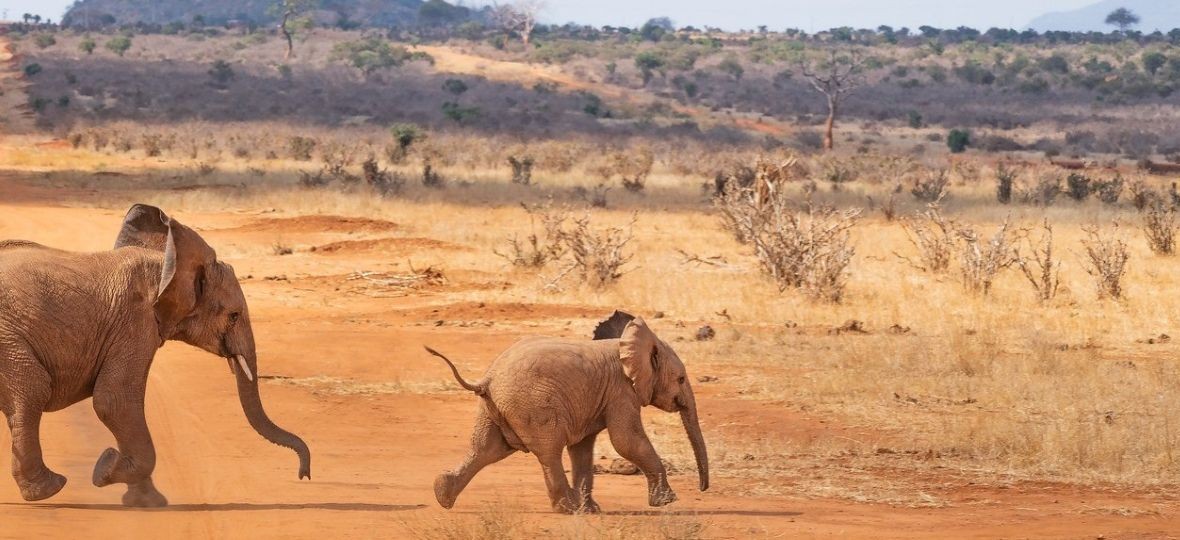
At dawn, the Maasai Mara glows in liquid gold. Elephants move through acacia groves, lions yawn in the grass, and the sky seems endless. Kenya’s new wave of luxury safaris – from Angama Mara to Segera Retreat – has redefined what a safari can be: solar-powered camps, locally made design, and experiences that support both conservation and community.
Travellers might spend mornings tracking big cats and afternoons visiting Maasai villages that share in the tourism revenue. The result is travel with purpose – intimate, impactful, and deeply human.
Why Kenya over Tanzania or South Africa: Tanzania offers wilderness; South Africa, refinement. Kenya achieves both – breathtaking biodiversity with a strong cultural and conservation ethic.
The Arctic: A Symphony in White
Above the Arctic Circle, the landscape feels almost extraterrestrial – glaciers calving into fjords, seabirds circling icebergs, the northern lights dancing across endless sky. Expedition voyages through Svalbard or Greenland combine adventure and education: kayaking through pack ice, visiting Inuit communities, and joining scientists for climate observations.
Modern expedition ships run on cleaner fuels, minimizing impact while maximizing immersion. The experience is not about luxury as comfort, but as comprehension.
Why the Arctic over Antarctica: Antarctica is pure wilderness; the Arctic is wilderness with a heartbeat. Here, communities, wildlife, and melting frontiers reveal the planet’s most urgent story in real time.
Bali, Indonesia: The Island of Inner Radiance
Bali’s allure lies in balance – between body and spirit, culture and creativity. The island’s spirituality hums everywhere: in daily offerings of flowers, in temple ceremonies that blend Hinduism and animism, in the scent of incense drifting across rice terraces.
At Capella Ubud and COMO Shambhala, luxury is defined by ritual – sunrise meditation, herbal tonics, Balinese massages beneath palm canopies. It’s a place where design honors devotion, and wellness is both ancient and artful.
Why Bali over Sri Lanka: Sri Lanka is untamed discovery; Bali is refined practice. It’s where mindfulness meets mastery, offering transformation within comfort.
South Africa: Coastal Grandeur and Wild Grace
South Africa is a study in contrast – vineyards and veld, oceans and mountains, urban creativity and untamed wilderness. In Cape Town, Table Mountain rises behind a city alive with art and cuisine. A few hours away in Franschhoek, world-class wineries meet Cape Dutch elegance. Further along the coast, Grootbos Private Nature Reserve leads the charge in regenerative travel, replanting forests and training local youth in conservation.
Here, you can sip fine wine by noon and track whales by sunset. Every stay contributes to something larger – a reminder that luxury and legacy can coexist.
Why South Africa over Namibia or Botswana: Namibia offers isolation; Botswana exclusivity. South Africa delivers diversity – in landscape, experience, and culture – without sacrificing depth or sophistication.
A New Language of Luxury
Luxury has turned outward. It’s no longer about separation from the world, but participation in it. The most meaningful journeys don’t just change where you are – they change how you see.
Because in the end, the rarest indulgence isn’t isolation – it’s belonging.
If you enjoyed or found this story useful, we’d appreciate if you would forward it to a colleague or friend who may also enjoy it. If, on the other hand, a friend shared it with you, welcome! You can get all the latest travel news and reviews from Travel Industry by simply clicking HERE.