



By Michael Baginski/ The Aruba Tourism Authority is eager for Canadians to discover – or revisit – the destination dubbed “One Happy Island,” but with a caveat: a commitment to helping preserve the very reason they go there in the first place: white sand beaches, vibrant culture and history, and unparalleled outdoor activities.
To that end, the ATA has fashioned a philosophy – the Aruba Promise – it hopes visitors will embrace, namely, “By committing to doing their part, our guests help protect Aruba’s natural beauty and biodiversity, ensuring it remains a welcoming and happy place.”
Fortunately, this unique (and optional) travel ask isn’t likely to fall on deaf ears amongst Canadians, with the ATA citing a Destinations International survey showing that 70% of Canadians agree that it is important to be educated on responsible travel.
Moreover, in its own newly released ‘Responsible Tourism Impact Report,’ which was developed through surveying over 7,000 travellers across seven countries including Canada, the ATA points to some key findings:
- 96% of travellers say it’s important their trips not only avoid harm but actively uplift the people and places they visit.
- 73% want to learn how to make a positive impact, but only 23% (16% of Canadians) feel they’re properly educated on how to do so.
- 34% of high-end travellers now define luxury by positive environmental and social impact.
Chatting with Travel Industry Today during a recent visit to Toronto, ATA CEO Ronella Croes and North America Area Director Sjeidy Dijkhoff-Feliciano said that the Promise is the tourism board’s way of helping educate visitors on how to fulfill their generally altruistic feelings – and marks a shift in the community strategy of ATA in stressing sustainability and maintaining the goodwill of residents of the island when many other places are burdened by overtourism.
“We believe that when you love Aruba, it loves you back,” Croes says.
To that end, the ATA has produced a pledge that visitors can find online before arriving in the destination.
“It’s a message that talks about protection (of the island and its environment),” she says. “It’s just simple things about what we stand for and what we value. It’s a message that resonates and is a huge opportunity for us to tell people how to make a change.”
The Aruba Promise
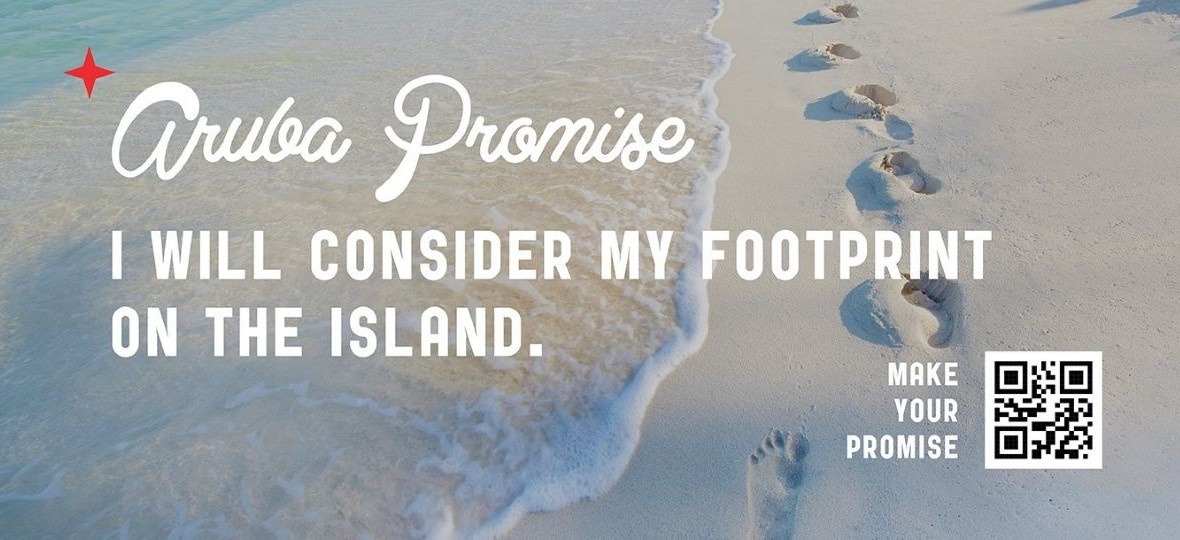
The Promise states: “The people of Aruba kindly request that our visitors consider themselves not just tourists or travellers, but guests of our island…
- I will consider my footprint on the island.
- I will embrace a slow pace.
- I will promise to be a responsible, respectful guest.
- I will travel mindfully so that Aruba can remain One Happy Island for generations to come.”
The document goes on to explain the premise behind the promise and offers some do’s and don’ts guidelines for how visitors can do so, such as not littering or driving irresponsibly, packing a reusable water bottle, but not single-use plastics, and more.
The document can be seen (and registered) at https://www.aruba.com/us/aruba-promise
Canada
Over the past decade, Canada has climbed to be Aruba’s No. 2 market (behind the U.S. and ahead of Colombia) – in part due to increasing airlift from this country, which includes year-round flights from Toronto by WestJet/Sunwing and seasonal service by Air Canada.
Nevertheless, Croes says “there is work to be done” to entice even more Canadians to come to the A of the southern Dutch Caribbean “ABC” islands (also comprising Curacao and Bonaire), though more than 50,000 Canucks have visited through October of this year, marking an 11% increase over last.
There’s also a high repeat rate, says Croes, who notes that Canadian snowbirds represented a significant market, even before U.S. issues arose.
Canadians, of whom only close to 40% stay in traditional resorts (about 50% utilizes alternative accommodations like condos and private villas, and 12% timeshares) also stay an above-average 8.7 nights per visit.
Some arrive via cruise ship – a sector Croes says Aruba is working hard to manage, so as to not to counteract its sustainability goals.
When on island – only 30 km long – visitors will find an outsized culinary scene with over 250 restaurants that reflect that island’s 100 nationalities (including its native population, which speak the native dialect Papiamento), as well as active options that include golf (three courses), windsurfing, and world-class diving. Or, just “taking it slow” on the beach.
Meanwhile, Aruba’s history as a former Dutch possession (the island is considered a constituent country within the Kingdom of the Netherlands), is reflected in the intricate, colourful architecture of the capital, Oranjestad, making for another differentiator from other Caribbean islands (save its neighbours).
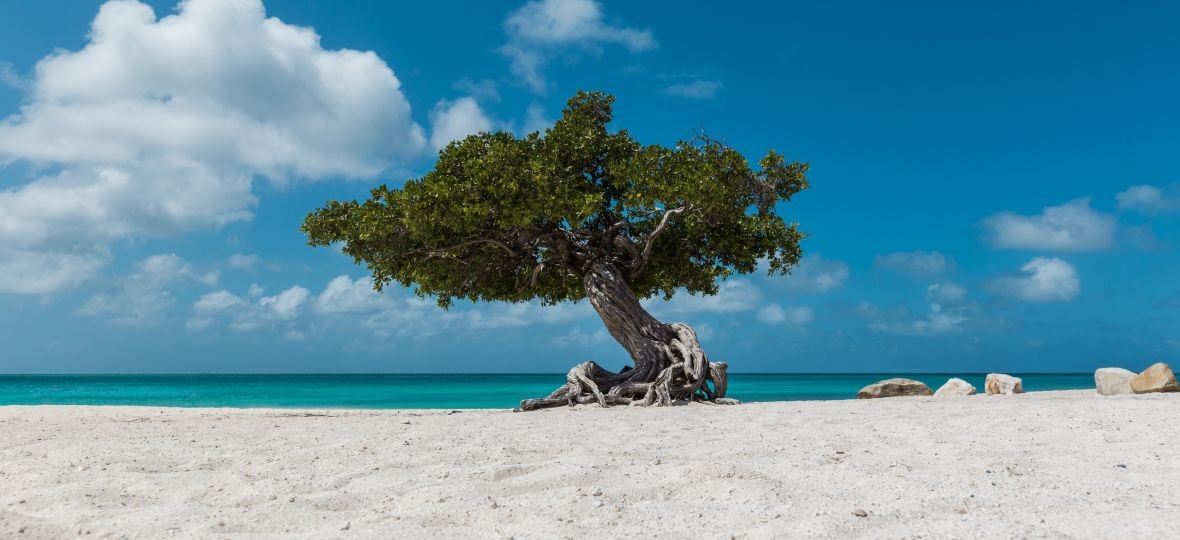
And exploring via rental car/jeep is a must, particularly on the island’s rugged, arid side , which is dominated by landscapes dotted with cacti, divi-divi trees, rocky hills and a dramatic coastline, while the Arikok national park comprises close to a quarter of the tiny island.
Croes notes that destination weddings are massively popular on Aruba, while wellness is increasingly popular.
But best of all for Canadians, she laughs, is an average of 300 sunny days a year, and average of temperature of 28 degrees C. – ideal for (temporary) footprints in the sand!
If this article was shared with you by a friend or colleague, you may enjoy receiving your own copy of Travel Industry Today with the latest travel news and reviews each weekday morning. It’s absolutely free – just CLICK HERE.