



By MOIRA SMITH/ My earliest memory of going on safari was when I was a little girl, no more than eight years old. I was born and raised in South Africa, so my family were no strangers to safari. But it was new to me at the time, and I’ll never forget the thrill of seeing life in the bush play out before my very eyes.
My family and I were in Kruger National Park – spending time in South Africa’s most famous game park in the country’s northeast is a favourite pastime for South Africans of all stripes. As the day progressed, we came across a cheetah stealthily walking along the side of the road. The cheetah’s every step was silent, its paws carefully moving forward in the bush alongside the road. I looked to see where the cheetah was headed and spotted a small herd of impala grazing absentmindedly in some tall grass. They didn’t realize the danger, until they did. The silent cheetah exploded out of the bush and the herd scattered. One unlucky impala fell to the teeth and claws of the cheetah. It was too fast, the course of nature too inevitable.
Not every first memory on safari is a matter of life and death like mine was, but that first encounter with the realities and magnificence of the wild sears itself into your mind.
Animals are always living out the great cycle of life and death all around us, but usually they’re just outside of view. There’s too much that obscures them: chores, bills, day jobs, mundane worries, emotional matters big and small.
We don’t usually have the chance to pay attention to the great wild that coexists alongside us, but safaris strip all the stuff of urban life out of the way. They force us to see the wild up close and realize our own place within the grand ecosystem of life. An African safari lets you escape and disconnect from the everyday, and in doing so connect with the wild earth.
Safaris also help you connect to communities that live at a different rhythm than most of us do. They also contribute to local communities and provide insights into diverse African cultures and traditions.
Perhaps most importantly, they contribute to conservation and environmental protection. Most people love lions, elephants, and giraffes, but as abstractions more than real beings sharing the world with us. But when you see these animals up close, the stakes of losing them become tangible. You realize you must do something to protect them for future generations. Seemingly inconsequential things like park fees become important means of supporting and protecting wildlife in nature reserves and national parks.
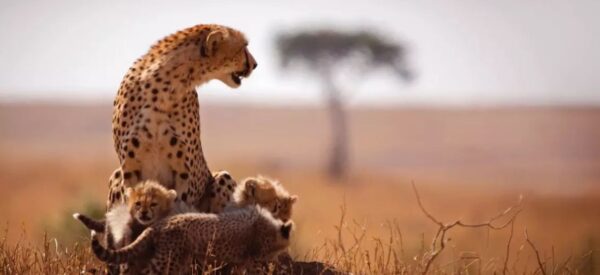
If you’ve never been on a safari before, I envy you. There’s nothing like the first time you head into the bush on your first game drive and enjoy that glimpse of a lion’s mane in the tall grass or the ears of a hippo peeking above the surface of the watering hole.
There are a few essentials to keep in mind before you go:
First, choose the right time to travel. If you’re a keen birder or want to see the Great Migration in the Masai Mara and Serengeti, seasonal migration patterns will determine when to visit.
Second, realize that Africa is not homogenous. It’s startlingly diverse so think about what you want to do on safari and then determine the right place to do it. It’s essential to rely on the expertise of your Destination Specialist, who has gone on safari before and planned countless more for other travellers.
Finally, realize that African safaris are transformative experiences. They offer a chance to reconnect with nature, witness the circle of life, and experience the primal beauty of our planet.
And they give us tangible opportunities to support local communities and connect our unforgettable travel memories to the preservation of our most precious creatures. In essence, safaris are natural experiences, but they also take on spiritual dimensions. They change you for the better. The hope is that they help you change the world for the better too.
(South African-born Moira Smith is a vice president at Goway Travel, based in Toronto; this column is the first in a series that has appeared in Globetrotting magazine and can be found on goway.com)
If you enjoyed or found this story useful, we’d appreciate if you would forward it to a colleague or friend who may also enjoy it. If, on the other hand, a friend shared it with you, welcome! You can get all the latest travel news and reviews from Travel Industry by simply clicking HERE.