

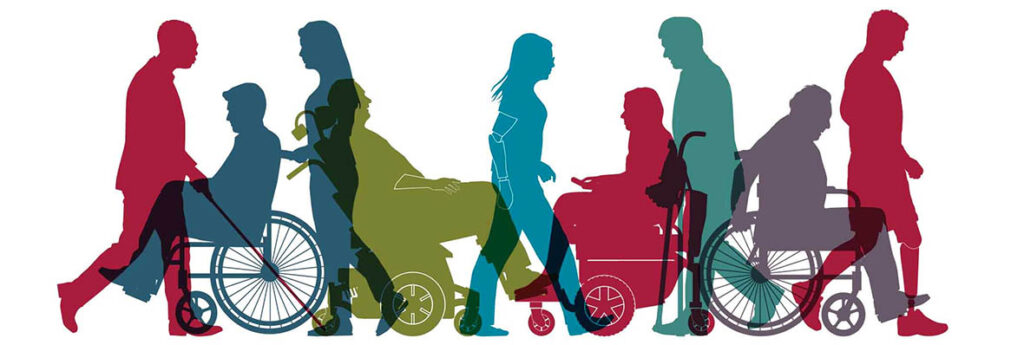
Accessibility is moving from the margins to the mainstream of Canadian travel. A Flight Centre survey conducted by YouGov reveals that 42% of Canadians place high importance on accessibility when making their travel plans. This figure outpaces even the most recent Statistics Canada data: that 27% of Canadians aged 15 and older – and a striking 40.4% of individuals 65 and older – are affected by disability.
As Canada’s population ages, accessibility is a powerful force driving travel innovation.
“Disability is unique among equity-deserving groups because anyone can join it at any time,” says Emese Graham, Flight Centre Travel Group’s (FCTG) Diversity, Equity and Inclusion Manager for the Americas. “If you don’t think from a universal design experience, you’ll lose your market share. Disability is a part of life for many people. It makes no sense to leave it out of the plan.”
Accessibility now extends beyond mobility to include neurodiverse and sensory needs.
Accessible travel innovations
- Neurodiversity: Rehearsal programs let travellers familiarize themselves with the airport to reduce anxiety; cruise ships may offer autism-friendly entertainment with low volume, full lighting and freedom to move.
- Vision: Apps like Aira Explorer and Be My Eyes empower blind or low-vision travellers to navigate unfamiliar spaces such as airports or hotels.
- Hearing: Hearing accessible hotel rooms may have text-only phones, closed-caption TVs and non-audio cues like strobe lights to notify guests of housekeeping.
- Mobility: Wheelchair-accessible hotel rooms often feature wider doors, lower peepholes and roll-in showers. Pool lifts, zero-entry pools and hot tubs, and accessible beach access may also be available.
Industry hurdles
Accessibility standards vary widely between provinces and countries – a challenge for travellers and operators.
“There’s the temptation to want regulations to be standardized, but I don’t think that’s the solution,” adds Graham. “We’re not one-size-fits-all as people. Accessibility shouldn’t be either. What matters most is transparency so travellers can make informed choices.”
The travel expert advantage
Even as information expands online, travellers with accessibility needs still face gaps. An expert brings valuable industry experience and a willingness to dig deeper: making calls to confirm the height of a bed or where a scooter can be stored at a restaurant. These details make all the difference in creating a trip that’s both accessible and memorable.
FCTG notes that it already embeds accessibility knowledge into its culture with an in-house curriculum that includes self-paced learning modules, live workshops and an employee resource group. This November, FCTG will also host its first accessibility FAM trip to Miami, bringing together travel experts from Canada and the U.S. to explore inclusive experiences on land and sea.
“You can be visually impaired and go on a safari. You can be an amputee and go sailing,” says Graham. “Our industry has the power to deliver ‘wow’ moments to everyone, which is what being truly inclusive is all about.”
If this article was shared with you by a friend or colleague, you may enjoy receiving your own copy of Travel Industry Today with the latest travel news and reviews each weekday morning. It’s absolutely free – just CLICK HERE.