

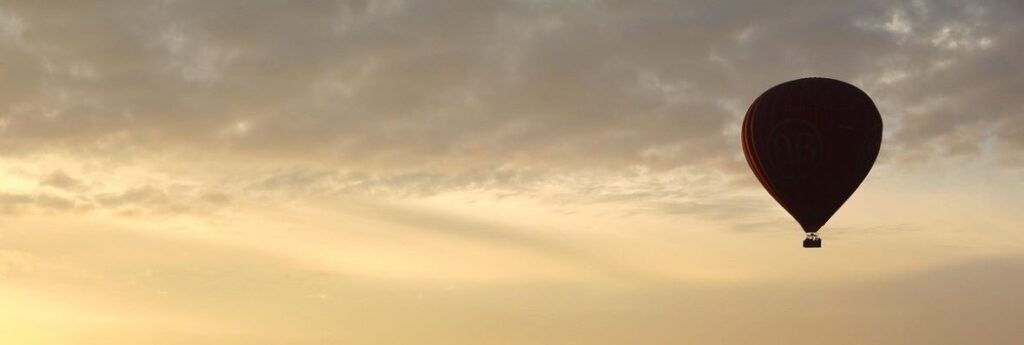
A tragic hot air balloon accident in Brazil that made global headlines recently has triggered a sharp rise in searches for “hot air balloon safety,” prompting fresh warnings for travellers to stay vigilant when booking bucket-list experiences.
Balloon rides, especially in scenic destinations like Cappadocia or the Serengeti, are often seen as peaceful and romantic. But the fatal crash in Brazil has shone a spotlight on the varying safety standards around the world, and the red flags tourists should be watching for.
According to Google Trends, global searches for hot air balloons are at an all-time high, with Brazil leading the surge following news of the incident.
“Balloon rides might feel serene, but they’re still a form of aviation – and that means serious risk if things go wrong,” says travel expert Jessie Chambers of Global Work & Travel. “In many destinations, the regulations just aren’t up to scratch, so travellers need to take responsibility for checking credentials, insurance, and weather conditions before they fly.”
Red flags
- No visible licence or pilot credentials: Any legitimate operator should be certified by an aviation authority. If they don’t show this upfront, walk away.
- Overloaded baskets or no weight check: If it looks crammed or they haven’t asked for your weight in advance, that’s a serious concern.
- Poor weather flying: A good company will cancel in unsafe conditions. If they’re flying in wind, rain or fog — don’t get in.
- No insurance or emergency plan mentioned: Always ask what their emergency procedures are. If they can’t answer clearly, don’t book.
- Cash-only bookings or no receipt: Often a red flag for unlicensed, under-the-radar operations.
Where ballooning is still safe, and how to book smart
Despite the concerns, hot air ballooning remains a highlight for many travellers when done responsibly. Destinations like Albuquerque (U.S.), Luxor (Egypt), and Cappadocia (Turkey) are home to well-established, regulated balloon operators.
But first, follow this checklist:
- Always confirm the company’s certification with the local aviation authority (e.g. FAA, CAA, DGCA)
- Read reviews that mention safety, not just scenery
- Avoid “sunrise deals” sold on the street or through third parties
- Ask about weight, age limits, and their bad weather cancellation policy
“After what’s happened, travellers should think of hot air balloons the same way they think of planes,” says Chambers. “You’re airborne. You’re trusting someone with your life. Don’t let the view distract you from asking the right questions.”
If this article was shared with you by a friend or colleague, you may enjoy receiving your own copy of Travel Industry Today with the latest travel news and reviews each weekday morning. It’s absolutely free – just CLICK HERE.