

A wildfire that tore through a historic Grand Canyon lodge and raged out of control Monday had been allowed to burn for days before erupting over the weekend, raising scrutiny over the National Park Service’s decision not to aggressively attack the fire right away.
The wildfire, along the canyon’s more isolated North Rim, where most visitors don’t venture, was burning quickly with no containment, fire officials said. No injuries had been reported, but more than 70 structures were lost, including a visitors centre and several cabins.
At first, the fire didn’t raise alarms after igniting from a lightning strike on July 4. Four days later, the Park Service said the fire was being allowed to burn to benefit the land and fire crews were keeping close watch.
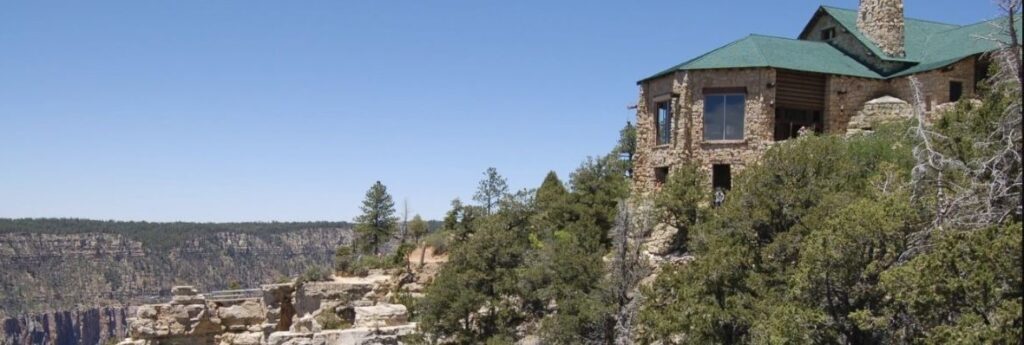
The nearly century-old Grand Canyon Lodge in far northern Arizona was a refuge for ambitious hikers and adventurous tourists eager to bask in the magnificent views of one of the most remote and renowned landscapes in the world. But the wind-whipped wildfire reduced it to a skeleton of itself within hours over the weekend, devastating the many who saw it as an intrinsic part of the North Rim of Grand Canyon National Park.
Fortified with Kaibab limestone and logs from the surrounding Ponderosa pine forest, it sat at the edge of the canyon, blending in and enhancing the natural environment.
“It’s tragic, it really is,” retired National Park Service chief historian Robert K. Sutton said Monday.
The lodge itself told a key part of history for both the Grand Canyon and the National Park Service.
Gilbert Stanley Underwood, who designed the lodge in 1927, sought to immerse residents in the landscape that now draws millions of visitors annually from around the world with a rustic, organic architectural style. He designed similar lodges in Zion and Bryce national parks in Utah, Yellowstone National Park in Wyoming and Yosemite National Park in California, according to the park service.
The Grand Canyon Lodge, the only lodging within the canyon’s North Rim, was built at a time when the federal department was eager to find ways to engage the public with the country’s best natural offerings, Sutton said.
For a place as remote as the North Rim, that wasn’t an easy task. The lodge was a winding 341-km drive from the more popular South Rim where 90% of the tourists go. But the historic building’s tranquility is a fundamental part of its appeal.
“You’re just on your own. It’s just a completely different atmosphere,” Sutton said.
The highway ended at the Grand Canyon Lodge, built right up to the edge of the rim. Across the lobby inside and down the stairs, visitors got a picturesque view of the Grand Canyon framed through the windows of the “Sun Room” furnished with plush couches. Navajo woven rugs hung on the walls and elaborate light fixtures from the ceilings.
In the corner of the room sat Brighty, a burro that lived at the canyon and inspired a children’s book, immortalized in a statue as a sort of mascot for the North Rim.
The lightning-caused wildfire that consumed the lodge and dozens of other structures at the North Rim began July 4. The National Park Service had been managing it to clear the landscape of fuel when winds shifted and it made a run toward the lodge. Hundreds of people were evacuated.
The blaze wasn’t the first time the lodge was destroyed. In September 1932, just five years after it opened, lodge employees and residents watched as a kitchen fire grew and overtook the structure, according to the park service. It was rebuilt in 1938.
Sutton, the retired park service historian, and others are optimistic that the Grand Canyon Lodge will get a new life. “I suspect it will regenerate,” he said.
If this article was shared with you by a friend or colleague, you may enjoy receiving your own copy of Travel Industry Today with the latest travel news and reviews each weekday morning. It’s absolutely free – just CLICK HERE.