

Germany’s ‘Feel Good Cities’ are made for travellers who enjoy city life without the usual rush. Short walking distances, reliable public transport and compact historic centres allow sightseeing at a relaxed pace.
Each city has its own character – from creative student hubs to riverfront skylines and medieval quarters – but they all share a focus on easygoing, car-free discovery.
Culture and science the relaxed way
Travellers who like their culture and science served with a dose of laid-back urban life should look into these destinations.
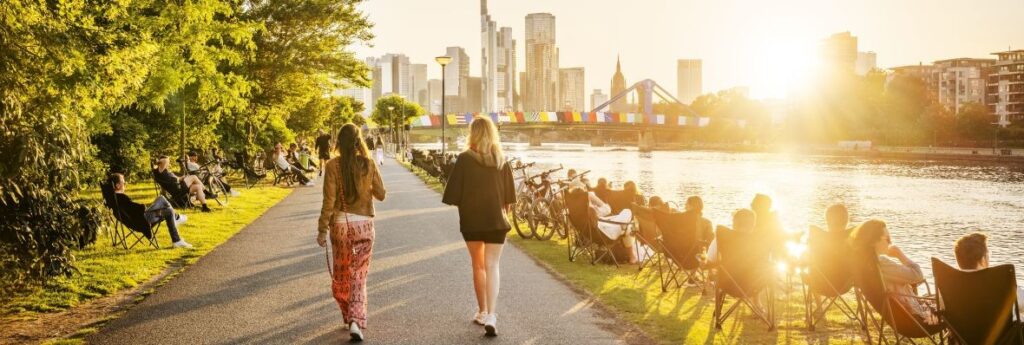
A good starting point is Frankfurt. The city on the river Main combines a striking skyline with the more intimate atmosphere of the riverfront, where 13 museums – including the German Film Museum – sit along tree‑lined paths. From here, clients can reach the cathedral and the rebuilt old town on foot.
A 30-minute train ride takes visitors to Darmstadt where guests move between the UNESCO‑listed Mathildenhöhe artists’ colony, the colourful Hundertwasser house, and the interactive bioversum museum at Jagdschloss Kranichstein. In the evenings they can relax in one of the many student bars across town.
Further south Karlsruhe is a good fit for guests who like university cities with a creative edge and easy cycling. Its baroque, fan‑shaped street layout makes it straightforward to navigate, and the city’s museums range from the traditional natural history museum to the ZKM – a centre that links art with digital and media installations. Cycling trails lead leisurely around the city through different landscapes, so even occasional cyclists can experience “a day out of town” while still based in Karlsruhe.
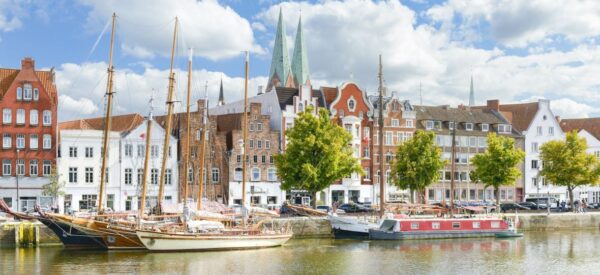
In Lübeck up in the north, electric boats glide past the UNESCO‑protected old town island with its Holsten Gate, church spires and warehouses. Hotels in historic buildings let visitors experience the Hanseatic history of the place, while fish and traditional “seafarers’ food” give the city stay the flavour of the nearby Baltic Sea beaches.
Forests, mountains and easy outdoor time
When city clients secretly dream of forest paths and mountain views, these cities are the answer, as they offer both – cafés and cobblestones plus quick access to trails.
In the Hochschwarzwald, historic glassworks, farmhouses and churches sit between forests, lakes and viewpoints. Guests walk or cycle through the landscape and stop with so‑called Naturpark hosts, who serve dishes based on herbs they have gathered themselves and vegetables from nearby farms.
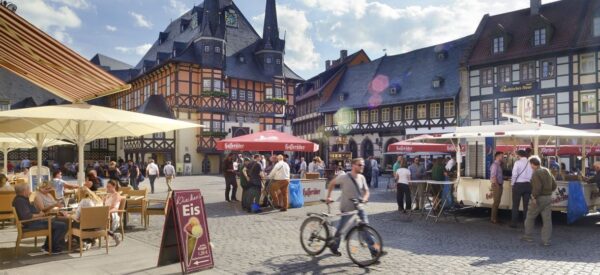
Wernigerode, the “colourful town” at the foot of the Harz, combines narrow lanes and half‑timbered houses with a fairy‑tale castle high above. The bright red Schlossbahn takes visitors up the hill, while buses link the town with villages and sights across the Harz mountains.
Winterberg in the Sauerland is known for winter sports, but also offers plenty in the warmer months. Walkers explore a network of paths across the surrounding hills and villages, returning in the evening to a compact centre with cafés and shops. Families who love the great outdoors find plenty of ideas and activities to keep younger travellers busy and entertained during their walks through the beautiful landscapes.
Good to know
All these destinations are part of the ‘Feelgood’ portfolio of the German National Tourist Board and work with the TourCert destination certificate. This independent system reviews how cities organize their tourism services and long‑term development and requires regular external audits – a useful quality seal when you introduce clients to lesser‑known urban stops in Germany. More information can found at https://tourcert.org/en/members/
Further information on Germany can be found at www.germany.travel/feelgood and www.germany.travel.