


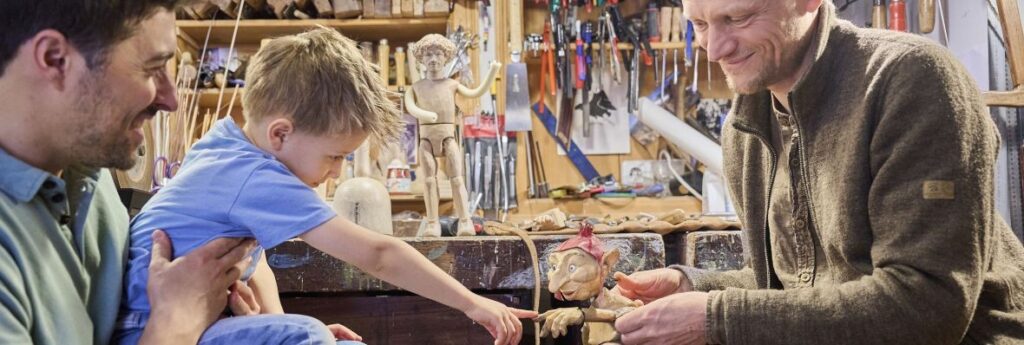
Germany’s ‘Feel Good Crafts’ regions are made for travellers who like their culture hands-on. Instead of just looking at museums from the outside, visitors step into workshops, historic gardens, spa towns and festival grounds where traditions are still part of daily life.
Storybook landscapes and garden artistry
These regions feel like stepping into a storybook: landscaped parks, castle gardens, forests and villages where traditional skills are still visible in everyday life. They offer low-threshold, family-friendly ways to turn German history and landscape into a day of gentle activity.
Nordhessen is the homeland of the famous Grimm brothers and feels like the setting of a familiar fairy tale itself. Forest paths lead to castles and villages where bakers, potters and basket weavers still work with traditional techniques. Clearly marked walking routes in the “Red Riding Hood” countryside make it easy for families to explore without a car.
UNESCO-listed gardens and parks around Potsdam place visitors in a real-life storybook setting. Visitors move at their own pace through 250 years of garden history and are never far from cafés and train connections back into Berlin.
Nature and history are also closely linked in the Nordeifel. A restored cloth mill shows how heavy looms once shaped life in the region, while a large open-air museum brings together original farmhouses, village shops and workshops from different centuries. Costumed interpreters demonstrate everyday skills, from spinning and weaving to regional baking.
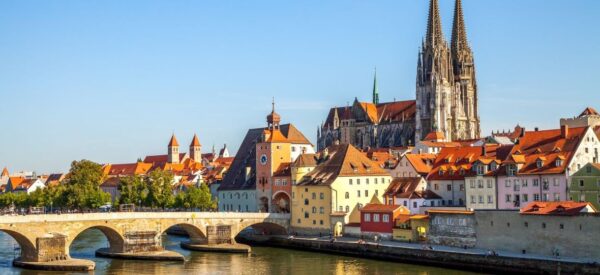
Some 1,000 listed buildings make Regensburg on the Danube a picturesque destination. Within the compact UNESCO-listed old town small workshops run by basket weavers or knife sharpeners adapt historic techniques to modern designs. Self-guided “craft walks” make it easy for visitors to meet makers without needing to pre-book a full tour.
Mountain heritage and the art of making
Crafts and traditions are rooted in mountains and rural landscapes – from mining and woodcarving to instrument building and sheep farming. Visitors get close to the people and processes behind familiar objects, while still enjoying comfortable walking and scenic viewpoints.
In the Erzgebirge (Ore Mountains), mining and woodcarving have left a strong mark on the landscape. Today, well-signposted walking routes link spa towns, viewpoints and villages where handcrafted wooden figures and decorations are still produced. Guided tours into historic mine tunnels add a tangible sense of place and explain why the region is listed as a UNESCO World Heritage Site.
The Vogtland, at the junction of several German federal states, has specialized in musical instrument building for centuries. In demonstration workshops and a dedicated museum, guests see how violins, guitars or brass instruments are made in many steps by hand. Short, guided tours allow even non-musicians to follow the process – and sometimes to try a simple step themselves.
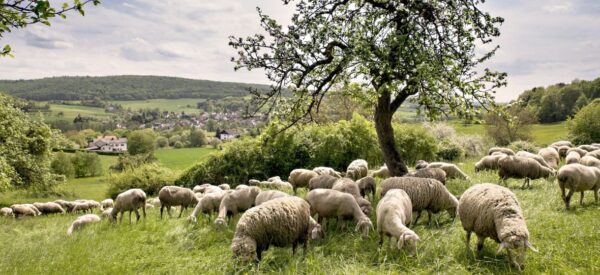
In the volcanic Vogelsberg region, sheep farming and cheese-making shape the rural identity. Stays in simple shepherds’ wagons, visits to local herds and walks through flower-rich mountain meadows connect agriculture, landscape and regional food traditions.
Coastal rituals and spa traditions
These destinations like water in different forms and show how local communities have built unique rituals, spa culture and storytelling around it. They suit visitors who like combining gentle activity on or by the water with strong regional character.
On the North Sea coast in Dithmarschen, wide dykes and huge skies frame the UNESCO-listed Wadden Sea. Here, even events become part of the craft story: for over 100 years, locals and guests have taken part in a playful “wadden walk with music,” combining a guided walk on the tidal flats with live bands and light-hearted competitions.
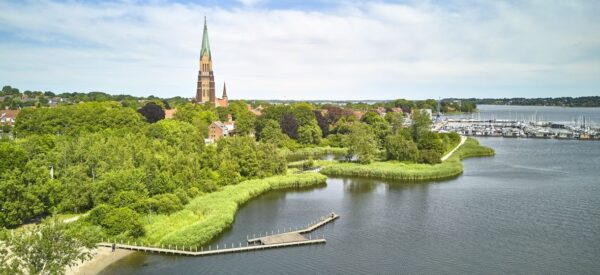
At the Ostseefjord Schlei on the Baltic Sea, Viking heritage meets gentle coastal scenery. The Haithabu–Danewerk UNESCO site tells stories of trade, conflict and daily life at the former frontier between worlds. Reconstructed houses, ramparts and an engaging museum help clients picture the past while still being close to modern cafés, harbours and walking paths.
Further south, the Lahntal offers a softer, riverside version of spa heritage. A historic town that once attracted Roman visitors and European high society still focuses on its healing waters, with a grand riverside spa ensemble, promenades and parks.
Good to know
All these towns and regions are part of the Feelgood portfolio and work with the TourCert destination certificate. This independent system looks at how destinations organize their tourism offer and long‑term development and includes regular external audits – a practical quality marker when you introduce clients to less well‑known craft regions in Germany. More information https://tourcert.org/en/members/ .
Further information on Germany can be found at www.germany.travel/feelgood and www.germany.travel.