



Coffee is part of the daily routine of millions of people around the world, but in few places is it as present in culture, history and landscapes as in Brazil, a country that built part of its identity around the bean and has led global production for more than 150 years.
With this in mind, Embratur, Brazil’s agency for tourism promotion, is highlighting Brazilian coffee regions through tourism routes featuring century-old farms, mountains, forests and small countryside towns where life revolves around the harvest and a cup of coffee.
Brazil remains the world’s largest producer and exporter of coffee, with its beans shipped to more than 120 countries. Coffee is grown in more than 1,900 Brazilian municipalities, across different biomes and altitudes, resulting in a great diversity of aromas and flavours and involving hundreds of thousands of producers, many of them small family farmers.
This historical and cultural connection with coffee has led, in recent years, to the creation of tourism routes in different regions of the country, where farms have opened their doors, historic properties have been transformed into hotels, and small towns have started welcoming travellers interested in discovering the journey of coffee from plant to cup. Along these routes, visitors can walk through plantations, take part in tastings, visit artisanal roasters, experience regional gastronomy and discover the stories of farming families who have been growing coffee for generations and help tell the story of Brazil.
Below are some of the main coffee tourism routes in Brazil and the experiences each one offers visitors.
- Cerrado Mineiro Coffee Route (Minas Gerais)
The Cerrado Mineiro Coffee Route is located in the Alto Paranaíba and Triângulo Mineiro regions, in the interior of the state of Minas Gerais, in southeastern Brazil. Concentrated mainly in the cities of Patrocínio, Monte Carmelo and Patos de Minas, the route includes coffee farms, a roastery and a specialty coffee shop.
The experiences offer an immersion into the world of specialty coffee through guided visits to farms, professional tastings, brewing workshops, gastronomic pairings and visits to a roastery and café. In some properties, visitors can walk through the plantations, learn about sustainable production practices and follow the processing stages from post-harvest to roasting. The itinerary also includes lunches and dinners featuring traditional cuisine from Minas Gerais.
TIP: Plan to spend two to three days travelling through the region. The most strategic city for accommodation is Patrocínio, located 160 km from Uberlândia Airport, the main access point to the route.
- South of Minas Coffee Route (Minas Gerais)
The South of Minas Coffee Route is located in southern Minas Gerais, one of the most traditional and internationally recognized coffee regions in the world. The route passes through municipalities such as São Lourenço, Carmo de Minas, Três Pontas, São Sebastião do Paraíso, Machado, Varginha and Campos Gerais, forming a circuit that combines coffee farms, cafés, roasteries, rural landscapes and traditional Minas Gerais cuisine.
Along the route, visitors can explore century-old farms and family-owned properties, follow production stages, visit drying patios, artisanal roasteries, participate in guided tastings and brewing courses, and experience local cuisine known for its cheeses, sweets, breads and traditional dishes. Many farms also offer accommodation, allowing visitors to experience daily life on a coffee farm and the pace of the countryside.
TIP: Plan to spend three to five days in the region. The most strategic cities for accommodation are São Lourenço, Carmo de Minas and Varginha. The main access airport is Belo Horizonte Airport, followed by a five to six-hour drive to southern Minas Gerais.
- Serra do Caparaó Coffee Routes (Minas Gerais and Espírito Santo)
The Serra do Caparaó coffee routes are located on the border between the states of Minas Gerais and Espírito Santo, in southeastern Brazil. Many coffee plantations are located at elevations above 1,000 metres, ideal conditions for producing high-quality coffee with complex and often award-winning flavour profiles.
On the Minas Gerais side, the route mainly passes through Alto Caparaó, Caparaó, Espera Feliz and Alto Jequitibá. On the Espírito Santo side, it includes municipalities such as Muniz Freire, Iúna, Irupi, Divino de São Lourenço and Ibatiba. The region is home to small family farms that have been growing coffee for generations, making the experience authentic and close to local producers. Visitors can walk through plantations, learn about all stages of production, participate in tastings and talk directly with farmers. In some properties, it is also possible to participate in the harvest, visit drying patios, follow the roasting process and enjoy gastronomic pairings.
TIP: Plan to spend three to four days in the region. The most strategic cities for accommodation are Alto Caparaó (Minas Gerais side) and Muniz Freire (Espírito Santo side). The nearest airports are Vitória Airport and Belo Horizonte Airport.
- Vale do Café (Rio de Janeiro)
Vale do Café is located in the countryside of Rio de Janeiro state, in southeastern Brazil, between the Serra do Mar and Serra da Mantiqueira mountain ranges. The area was the centre of Brazil’s coffee economy in the 19th century during the Imperial period and still preserves the history, architecture, culture and gastronomy of that era. The route includes cities such as Vassouras, Valença, Conservatória, Barra do Piraí, Rio das Flores and Paraíba do Sul.
Many former coffee farms have been restored and transformed into hotels, museums, cultural centres and restaurants. Visitors can take guided tours, see old machinery, coffee drying patios and grand mansions that once belonged to coffee barons. On many farms, visitors can also stay overnight, participate in traditional meals, tastings, horseback riding, hiking and cultural activities such as concerts and serenades.
TIP: Plan to spend two to three days in the region. The most strategic cities for accommodation are Vassouras, Valença and Conservatória. The main access airport is Galeão International Airport in Rio de Janeiro, followed by a two to three-hour drive.
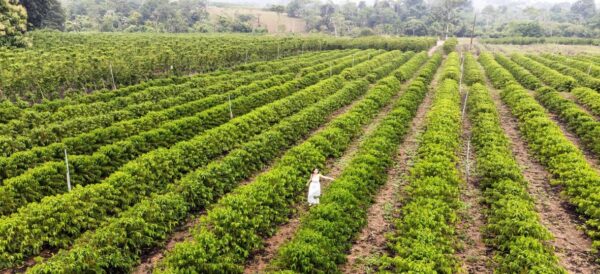
- São Paulo Coffee Routes
The state of São Paulo has a deep connection with the history of coffee. The coffee cycle drove the growth of cities, the construction of railways and the economic development of the state. Today, this historical heritage has been transformed into tourism routes organised in different circuits across the countryside and coastal regions, including Campinas, Mogiana, Centro-Oeste Paulista, Alta Paulista and the Santos region.
Along these routes, visitors can tour historic farms, participate in tastings, visit roasteries and specialty cafés, take train rides on historic coffee railways and explore gastronomic routes and cultural events related to coffee and local cuisine. In the city of Santos, the highlight is the Coffee Museum, located in the former Coffee Exchange building, where millions of bags once passed before being exported worldwide.
TIP: Since the routes are spread across different regions of the state, travel time depends on the chosen circuit, but it is recommended to spend three to five days exploring each area. Cities such as Campinas, Ribeirão Preto and Santos are good accommodation bases. Access is mainly through São Paulo International Airport in Guarulhos.
- Rota Verde do Café (Ceará)
In the countryside of the state of Ceará, in northeastern Brazil, lies one of the most unique coffee routes in the country: the Rota Verde do Café, located in the Serra de Baturité mountain range. Coffee production in the region dates back to the 19th century, and to this day most beans are grown by small family producers. The route includes municipalities such as Guaramiranga, Mulungu, Pacoti and Baturité, bringing together rural properties, restaurants, accommodations and attractions related to nature tourism.
The experience is marked by close contact with producers, guided visits to plantations and explanations about shade-grown coffee cultivation, considered more sustainable and important for preserving local biodiversity. Along the route, visitors can follow the production process and participate in tastings of artisanal coffee grown in the mountains.
TIP: Plan to spend two to three days in the region. Guaramiranga is the main base for accommodation. The main access airport is Fortaleza International Airport, about 100 km away, approximately a two-hour drive.
- Northern Paraná Coffee Route (Paraná)
In northern Paraná state, in southern Brazil, in an area that played an important role in the expansion of coffee production during the 20th century, is the Northern Paraná Coffee Route. The route includes municipalities such as Jacarezinho, Ribeirão Claro, Carlópolis, Santo Antônio da Platina, Ibaiti, Pinhalão, Tomazina and Joaquim Távora, forming a circuit that combines specialty coffee, rural tourism, gastronomy and historical heritage.
Visitors can tour historic farms and coffee producers, participate in tastings, visit cafés and roasteries, learn about the production process and travel along rural roads surrounded by plantations, hills and forest areas. The itinerary also includes rural restaurants, family agro-industries, cheese producers, honey and cachaça production and other artisanal products.
TIP: Plan to spend about three days in the region. The most strategic cities for accommodation are Jacarezinho, Santo Antônio da Platina and Ribeirão Claro. Access to the region is mainly through the airports of Londrina and Maringá.
More than a beverage present in the daily life of millions of people, coffee in Brazil is part of the country’s history, culture and landscapes. Travelling along these routes means discovering mountains, historic farms, small countryside towns and different regional traditions, always with a cup of coffee as a meeting point.
If you enjoyed or found this story useful, we’d appreciate if you would forward it to a colleague or friend who may also enjoy it. If, on the other hand, a friend shared it with you, welcome! You can get all the latest travel news and reviews from Travel Industry by simply clicking HERE.