


By Cindy-Lou Dale/ Cape Town, South Africa’s appeal lies in its range: mountain, ocean, heritage districts, and a food culture rooted in local identity. Consider two unique hotels – contrasting but complimentary – from which the city unfolds in manageable, memorable chapters: walkable neighbourhoods, historic sites, and signature culinary experiences, each adding depth to a stay that blends relaxation with meaningful exploration.
Both properties occupy historic residential buildings adapted into boutique hotels, each with a distinct sense of place – one shaped by ocean views and dramatic slopes, the other by tree-lined streets and proximity to Kloof Street. Together, they provide access to many of the city’s cultural, culinary, and natural landmarks.
From Table Mountain to Bo-Kaap kitchens, working harbours, wine estates, and design-forward restaurants, these bases make the broader Cape Town experience easy to navigate and deeply rewarding.
Above the Atlantic: 21 Nettleton, Clifton
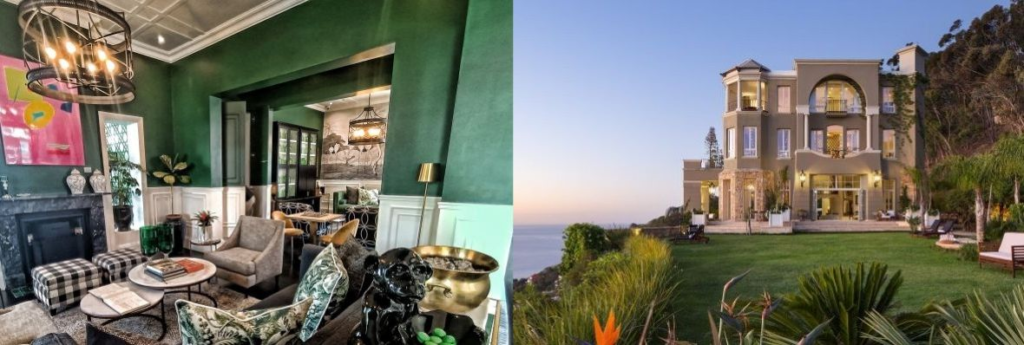
21 Nettleton is a six-room boutique hotel located on Nettleton Road in Clifton, one of the highest-value residential areas on the African continent. Set on the slopes of Lion’s Head, the property faces the Atlantic Ocean and overlooks Clifton’s beaches and Camps Bay. Once a private residence, it was converted into a boutique hotel in 2016 and retains the scale and layout of a domestic home.
Access is via a short drive from the main coastal road to a quiet cul-de-sac. On arrival, guests are welcomed informally, reflecting the property’s philosophy of personalized, unobtrusive service. The hotel functions as both a private retreat and a base for exploring the Cape Peninsula, with staff coordinating hikes, beach visits, and city excursions.
The interiors combine antique European pieces with contemporary African art. Shared spaces include a library, drawing room, dining room, terraces, landscaped gardens, and a pool area. Rooms vary in orientation: some face the ocean, others the mountain. All include en-suite bathrooms, curated artworks, and a turndown service that maintains the hotel’s homely character.
Dining is arranged on request. Breakfast is typically served on private or shared terraces. Dinners may include Cape Malay dishes, reflecting regional culinary heritage and the hotel’s focus on local culture.
Outdoor areas provide multiple quiet corners for reading, swimming, or viewing the coastline. From the terraces, sunsets over the Atlantic remain a defining feature of the property’s appeal.
More at www.21nettleton.com
Cape Cadogan, between Table Mountain and its quiet streets
Cape Cadogan Boutique Hotel, part of the MORE Collection, located in the Gardens neighbourhood of Cape Town, is a residential area close to Kloof Street. The property occupies a restored Georgian-Victorian townhouse that retains its original scale and proportions. Its design approach is consistent throughout: a palette of green, black, and white, contemporary artworks, and furniture chosen for comfort rather than display. The result is a space that feels intentionally domestic.
Arrival is straightforward from the quiet street outside, with a brief check-in that sets the tone for the hotel’s philosophy of calm, personalized service. Lounges and reading rooms are arranged as informal sitting areas rather than formal lobbies, encouraging guests to use the house as they would a private residence. The shaded courtyard contains a small plunge pool and seating areas suited to quiet downtime, often used by guests between outings or for slow mornings before exploring the city.
Cape Cadogan offers 29 rooms across several categories. Some include terraces or direct access to the garden; others face the surrounding rooftops and the slopes of Table Mountain. Interiors maintain the hotel’s signature colour scheme, with en-suite bathrooms, rainfall showers, local artworks, and thoughtful evening turndown. The layout of the rooms reflects the property’s original residential design, giving each one slightly different proportions and orientation.
Upper Union, the on-site restaurant, serves breakfast and offers additional meals built on seasonal, locally sourced ingredients under the direction of Group Executive Chef Amori Burger. Wine selections focus exclusively on South African producers whose work reflects regional identity.
More at www.more.co.za/capecadogan
CAPE TOWN TO-DO LIST
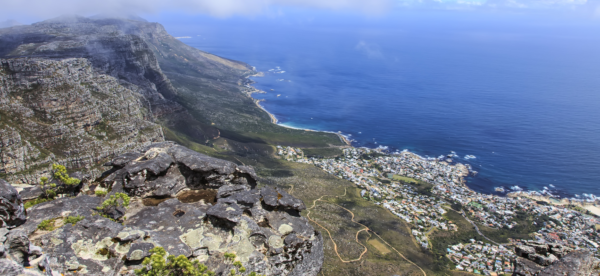
Table Mountain Aerial Cableway has operated since 1929 and transports visitors from Tafelberg Road to the summit plateau at 1,067 metres c(photo above). The modern cable cars rotate to provide 360-degree views of Cape Town, the Atlantic coast, Lion’s Head, and the Twelve Apostles. At the top, visitors can walk designated routes, view endemic fynbos, and access facilities including a café, viewing decks, and a gift shop. The mountain’s sandstone formations are approximately 260 million years old, and the plateau supports species such as rock hyrax (dassies) and sunbirds. Tickets are sold online and on-site, with weather-dependent operations.
Kloof Street is a major commercial and dining corridor linking Cape Town’s CBD to the Gardens neighbourhood. It features cafés, boutiques, and restaurants housed in both historic and contemporary buildings. Three notable addresses illustrate its range: 30 Kloof St., a Victorian house operating as Kloof Street House, offering brasserie-style dining; 103 Kloof St., home to Rick’s Café Américain, known for global dishes and a rooftop terrace; and 117 Kloof St., where Our Local functions as a plant-filled café and restaurant. Just off Kloof Street, celebrity Chef Bertus Basson operates Ongetem inside the Canopy by Hilton and is widely regarded for championing South African heritage cuisine, drawing on regional produce, traditional techniques, and Cape farm culture to shape a contemporary culinary identity.
Afternoon Tea at Mount Nelson Hotel, established in 1899, offers a formal Afternoon Tea service in its lounge and garden-facing verandas. Tea is served Wednesday to Sunday at noon and 3 p.m., by advance booking. The menu includes over 60 loose-leaf teas selected by the hotel’s tea sommelier, alongside optional Cap Classique. Food is presented in courses: savoury finger sandwiches, quiches, warm scones with cream and preserves, pastries, petit cakes, and South African classics such as milk tart. Service is structured, unhurried, and presented in a traditional setting overlooking landscaped gardens. Per person price US$35.
Kalk Bay is a working harbour village on Cape Town’s False Bay coastline. It’s a historic fishing village built around a small harbour, tidal pools, and a commercial Main Road lined with cafés, bakeries, art studios, and independent shops. The village is now semi-gentrified, with long-standing fishing activity operating alongside newer restaurants and boutiques. Older cottages still display the area’s traditional limewash (“kalk”). Daily catches such as snoek and yellowtail are offloaded at the harbour.
Kalk Bay also offers a public beach with painted huts, several popular tidal pools, and access to Boyes Drive, which provides elevated views across False Bay. It’s suggested to travel from Cape Town via Chapman’s Peak Drive – one of the most scenic coastal routes on the African continent.
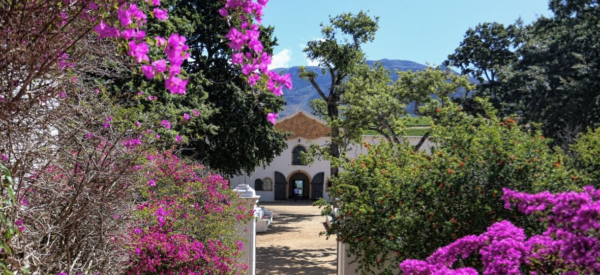
Groot Constantia, South Africa’s oldest wine estate, was founded in 1685 by Simon van der Stel, is South Africa’s oldest wine estate and a key site in the Constantia Valley. The property includes a Cape Dutch manor house, historic cellar, museum spaces, vineyards, and a tasting room offering estate wines such as Grand Constance, the region’s historic sweet wine. The estate’s grounds feature oak-lined avenues and views toward False Bay. Simon’s Restaurant, located beside the manor, serves contemporary South African dishes using local produce. Visitors can explore the manor, tour the cellar, taste wines, and walk the estate’s landscaped grounds.
De Tafel is a dinner-only restaurant located at Palm House Boutique Hotel in Wynberg. The kitchen is led by chef Gregory Henderson, known for incorporating foraged Cape ingredients such as herbs, seaweed, edible flowers, and fungi. The menu is seasonal and offered as four-, six-, or eight-course formats, with dishes reflecting local coastal and mountain ecosystems. Preparations may include seafood, game, and plant-based components paired with Cape wines. Service includes detailed explanations of ingredients and sourcing. The restaurant operates Wednesday to Sunday and focuses on low-waste practices, regional provenance, and the use of indigenous flavours.
The Cape Malay cooking school Cooking With Love is located on Wale Street in the Bo-Kaap, offering hands-on instruction in traditional Cape Malay cuisine. Classes cover the preparation of core dishes such as samoosas, bobotie, Cape Malay chicken curry, yellow rice, and pickled fish. Participants learn foundational techniques including spice blending, roasting spices, folding pastries, and cooking with aromatics such as cardamom, cinnamon, and cumin. The sessions emphasise cultural context, family recipes, and practical skills that can be reproduced at home. Small groups work in an interactive kitchen environment led by Chef Faldela Tolken, who provides step-by-step guidance throughout the class.
For more: www.capetourism.com, www.stepouttours.co.za
If you enjoyed or found this story useful, we’d appreciate if you would forward it to a colleague or friend who may also enjoy it. If, on the other hand, a friend shared it with you, welcome! You can get all the latest travel news and reviews from Travel Industry by simply clicking HERE.