



By Cindy-Lou Dale/ Safari travellers increasingly expect lodge cuisine to match the quality of wildlife and landscape experiences. Historically, lodge menus were modelled on European colonial food systems, relying on imported ingredients and generic continental dishes.
Across southern Africa this model is being replaced by regionally grounded food practices that use indigenous crops, small-scale producers, and low-impact sourcing. Lodges now integrate food with conservation and guest activity, framing cuisine as part of the broader safari experience. Foraging walks, ingredient-identification sessions, and garden-to-kitchen demonstrations link meals directly to landscape and season. The guiding principle is functional: dishes reflect local availability, cultural knowledge, and low-impact resource use.
South Africa’s Sashwa River of Stars, in the Greater Kruger region, positions plant-based dining as a core operational ethos rather than an optional offering. The lodge operates with a small number of suites, a reduced environmental footprint, and a sourcing model focused on regional producers. An on-site organic garden supplies vegetables, herbs, and leafy greens, managed by a horticultural team responsible for soil health, composting, and seasonal rotation.
Supplementary produce is collected weekly from farmers in Hoedspruit via a refrigerated pickup system. Suppliers are selected based on environmental practices, scale, and community impact. Only plant-based ingredients are procured, and wine selections prioritise South African labels such as Painted Wolf Wines, which channels revenue into African wild dog conservation initiatives.
Menus are developed with Chef Arabella Parkinson, who oversees recipe creation, ingredient assessment, and staff training through periodic residencies and ongoing remote communication. Her framework blends classical training with nutrient-balancing methods, ensuring dishes reflect seasonal yield and operational consistency. The kitchen produces core components in-house, including sauces, condiments, broths, and ferments, to maintain quality and reduce packaging waste.
Sashwa’s wellness program operates alongside its culinary model. Daily yoga sessions, led by instructor Dylan Bernstein, emphasise breath-led structure and take place outdoors. Afternoon meditation gatherings follow similar principles and incorporate environmental awareness. A small spa facility uses plant-based products derived from regional botanicals.
They accommodate 20 guests in 12 standalone suites designed for low-impact operations. Each suite includes a bedroom, bathroom, private deck, and outdoor shower, with layouts positioned to overlook natural movement corridors. Structures use solar energy, water-efficient systems, and materials selected to minimize ground disturbance. Guest capacity remains intentionally limited to support low ecological footprint and restricted vehicle movement.
Guided activities include standard game drives and sound-based wildlife interpretation developed by guide and acoustic ecology specialist Ian Shoebotham. Sound safaris focus on species identification, behaviour, and environmental cues based solely on auditory input. Traditional drives follow ecological protocols used across the Greater Kruger system.
Sashwa positions its integrated culinary, wellness, and guiding model as an example of low-impact safari operations linked to conservation, community partnerships, and regionally grounded food systems.
Marataba Game Lodge
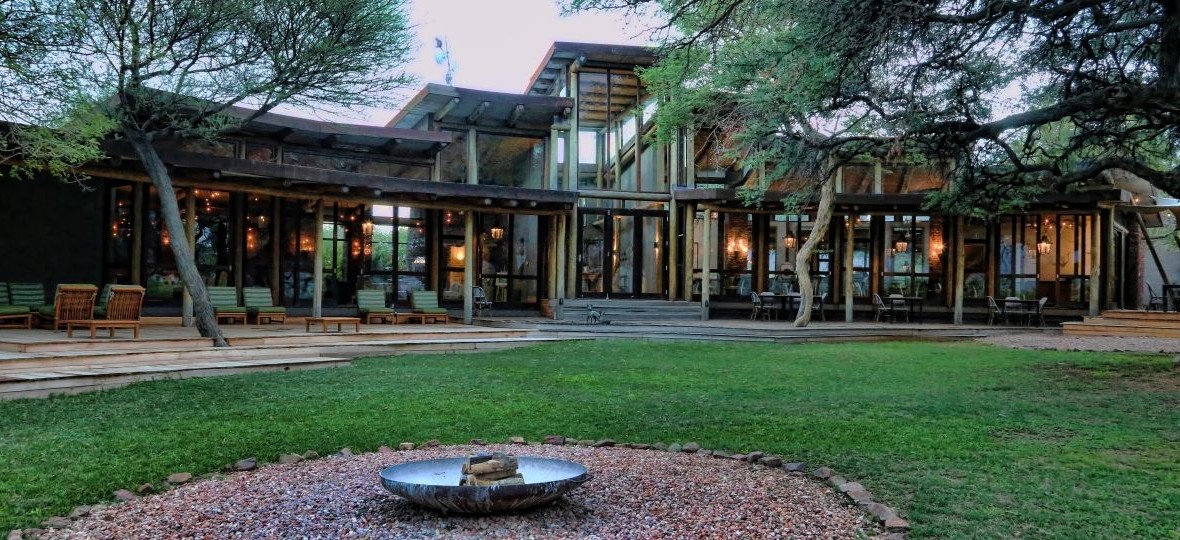
Within a privately managed concession of Marakele National Park in South Africa’s Waterberg region, the Marataba Game Lodge runs a conservation-based model in partnership with South African National Parks, where tourism funds ecological restoration, wildlife monitoring, anti-poaching operations, and long-term protection. The concession covers approximately 23,000 hectares and remains unfenced from the greater park to support unrestricted wildlife movement.
Accommodation includes 15 tented suites at the safari lodge and five eco-suites at the mountain lodge. Tented suites use canvas and timber in a low-impact format. Eco-suites run primarily on solar power and sit on elevated platforms to reduce ground disturbance. The Thabametsi Treehouse offers an additional open-air sleepout structure. Guest capacity remains intentionally limited to maintain low vehicle density.
Daily activities include game drives, guided walks, and optional observation of conservation work. Field Guides interpret tracking, ecosystem processes, and species behaviour. Guests may observe scientific data collection, habitat restoration, and land-management operations.
Cuisine is led by MORE Collection’s Group Executive Chef, Amori Burger. The culinary model follows the group’s broader philosophy: ingredient-led, seasonal, and locally sourced where possible. Supplier selection is based on quality, consistency, and shared environmental values. Menus rotate according to seasonal produce.
At Marataba Lodge, and under Burger’s supervision, Chef Thabo operates both general and kosher kitchens, maintaining parallel workflows to ensure compliance and consistency. The lodge uses South African wines selected according to terroir relevance and producer transparency.
Shared spaces include lounges, dining areas, swimming pools, and viewing decks. Operational systems incorporate renewable energy, controlled water use, and structured waste management. Guest stays directly fund wildlife protection, ecological restoration, and community employment. The lodge operates year-round, with seasonal changes affecting vegetation, water systems, and wildlife distribution.
Monwana Game Lodge
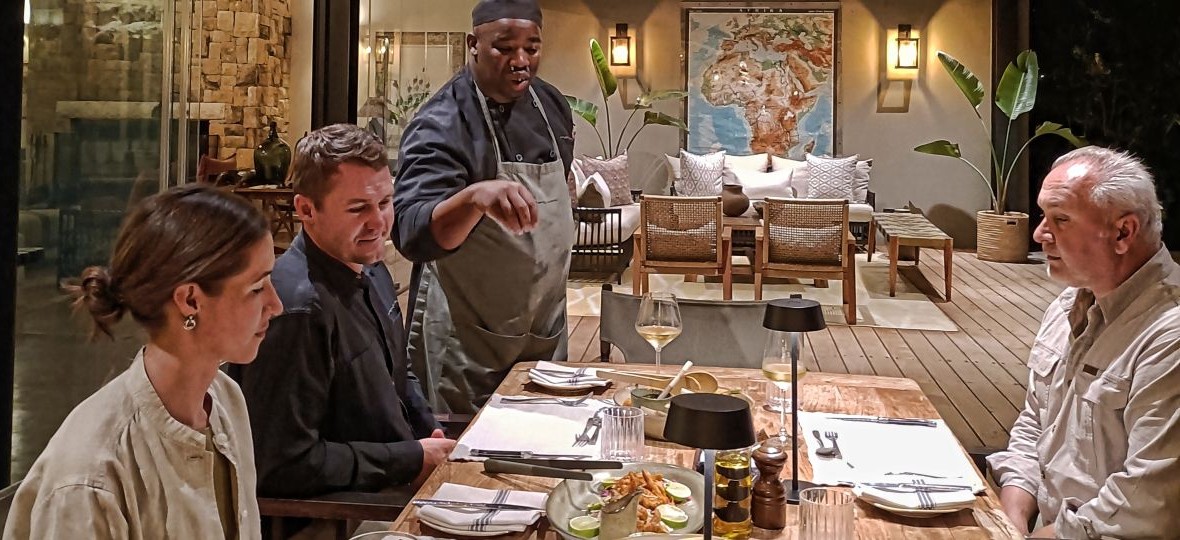
Also, part of the MORE Collection is Monwana Game Lodge, in Thornybush Nature Reserve. It forms part of the open Greater Kruger system. Wildlife moves freely across the unfenced boundary with Kruger National Park. The lodge follows a conservation-aligned model prioritising ecological integrity, scientific monitoring, and community-inclusive protection.
Monwana accommodates guests in four suites, two family suites, and one private residence. Structures are positioned for privacy and access to natural movement corridors. Suites include private plunge pools and decks. The private residence contains two en-suite bedrooms, a central living area, a kitchen, two plunge pools, and an exclusive-use main-deck pool. Lodge design focuses on natural airflow, reduced energy use, and minimal ground impact.
Daily activities include game drives and guided walks. Field Guides and Trackers interpret animal movement patterns, habitat use, and ecological dynamics. Guests may observe conservation operations such as anti-poaching patrol structures, water management systems, removal of invasive species, and wildlife monitoring. Monwana contributes to Thornybush’s broader initiatives via funding, staffing, and logistical support.
The food philosophy at Monwana aligns with Chef Amori Burger’s view that dishes should connect guests to place through simplicity, seasonal produce, and local sourcing. Lodge menus reflect traditional South African components reinterpreted for a remote safari environment. The focus is on clarity of flavour, responsible sourcing, and consistency rather than complex plating or a single signature dish.
Monwana operates at small scale to reduce vehicle density and protect ecological processes. This model aligns with Thornybush’s long-term conservation plan, which focuses on sustainable tourism, local employment, skill development, and biodiversity protection. Operations continue year-round, with wildlife patterns influenced by rainfall cycles, water availability, and plant seasonality. Guest stays directly support conservation funding and community-linked programs.
Conclusion
Safari cuisine is no longer an imported template, but a system shaped by ecology, seasonality, and local knowledge. Lodges such as Sashwa, Marataba, and Monwana show how food can function as part of conservation, community partnership, and guest education rather than a peripheral amenity.
As travellers demand experiences rooted in place rather than colonial replication, the region’s leading properties demonstrate a clear direction of travel: safari operations that use cuisine to reinforce environmental responsibility, cultural relevance, and long-term sustainability.
If this article was shared with you by a friend or colleague, you may enjoy receiving your own copy of Travel Industry Today with the latest travel news and reviews each weekday morning. It’s absolutely free – just CLICK HERE.