


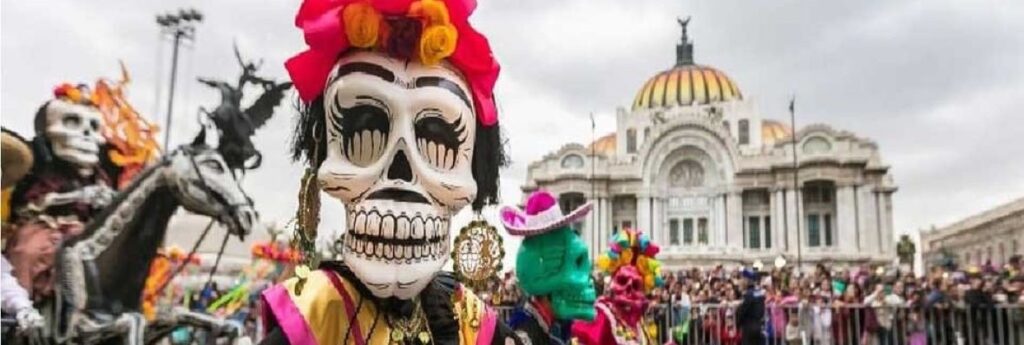
As much of the world gets in ghoul on for Halloween, Mexico will come alive with Day of the Dead celebration’s across the country this weekend. The Día de los Muertos holiday (Nov. 1-2) is rooted in pre-Hispanic rituals and Catholic traditions and honours the souls of children and adults who have passed away.
Through altars, offerings, flowers, food, and gatherings, families welcome spirits back for a brief reunion. It is at once deeply spiritual and joyously festive, reflecting Mexico’s unique approach to life and death.
The highlight of festivities is the Day of the Dead Grand Parade in Mexico City, where the Paseo de la Reforma transforms into a river of colour, music, and remembrance. This extraordinary four-hour procession honours those who have passed while celebrating the joy of life, offering visitors from around the globe an unforgettable immersion into one of Mexico’s most cherished cultural traditions.
A living tradition
This year’s parade promises to dazzle with monumental Catrinas, larger-than-life floats, and colourful displays of art in motion. Traditional music and folkloric dance will punctuate the route, blending the ancestral with the contemporary in a festival that is both steeped in joy and meaning.
Symbolized by the golden glow of cempasúchil (marigold flowers), considered the flower of the dead, the celebration fills Mexico City with fragrance and pops of ochre. Visitors walking alongside the parade will hear the beat of drums, the laughter of families, and the stories of tradition carried across generations.
Recognized by UNESCO as part of the Intangible Cultural Heritage of Humanity, Day of the Dead exemplifies Mexico’s ability to blend ancient Indigenous beliefs with Catholic traditions, creating a cultural expression that resonates worldwide.
Parade need to know
The 2025 Grand Parade in Mexico City is an invitation for locals and visitors to step into the heart of Mexico’s identity. In a city known for its history, food, and art, the Day of the Dead parade brings it all together in one extraordinary expression of culture.
- Date: Sunday, Nov. 2, 2025
- Location: Starting at Puerta de los Leones, Bosque de Chapultepec; proceeding along Paseo de la Reforma, Avenida Juárez, and 5 de Mayo; culminating in the Zócalo.
- Duration: Approximately four hours
- Tips: Tourists are encouraged to arrive early to secure a good viewing spot along Paseo de la Reforma, where towering Catrinas and elaborate floats will pass. The celebration extends beyond the parade itself, with altars (ofrendas) erected across museums, public squares, and private homes, offering additional opportunities to witness the artistry and devotion behind the holiday.
Beyond Mexico City
While the Mexico City parade is the most high-profile event, Day of the Dead celebrations flourish throughout Mexico, each region adding its own distinct flavors and rituals.
- Oaxaca: Perhaps the most famous destination outside the capital, Oaxaca comes alive with comparsa parades in its cobblestone streets. Locals dress as skeletons, brass bands play through the night, and markets overflow with pan de muerto and sugar skulls. Cemeteries become places of gathering as families decorate graves with candles, flowers, and offerings.
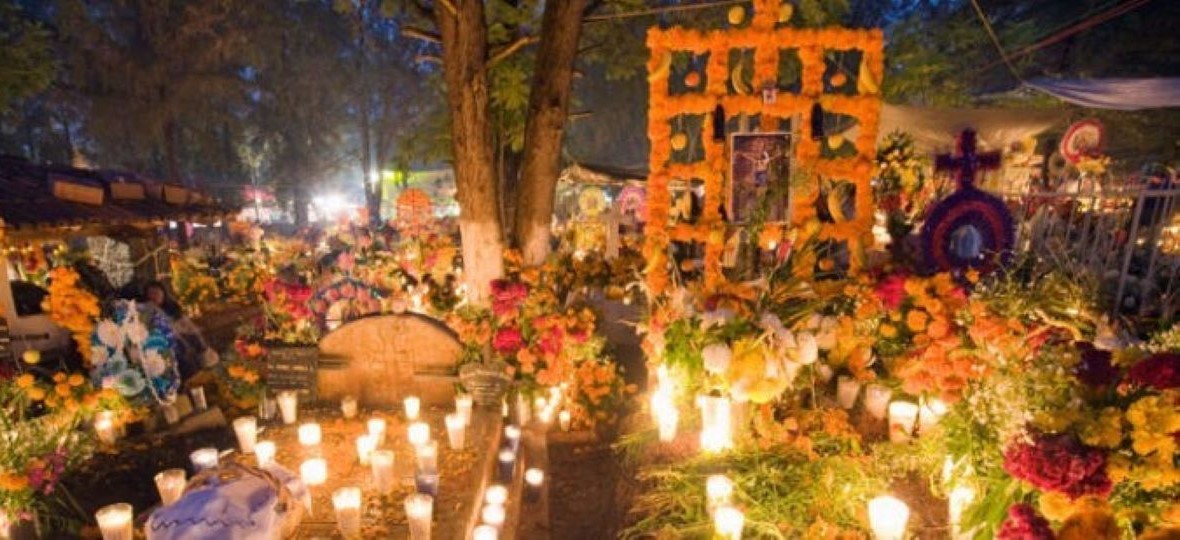
- Pátzcuaro, Michoacán: On the shores of Lake Pátzcuaro, the Purepecha community observes an intimate and spiritual ritual. Families light thousands of candles to guide spirits back to the world of the living, while the island of Janitzio becomes a glowing beacon seen across the lake. This atmospheric celebration is deeply tied to Indigenous tradition and is one of the most poignant experiences in Mexico.
- San Andrés Mixquic, Mexico State: Just outside Mexico City, this small town is renowned for its “Alumbrada” on Nov. 2. As night falls, cemeteries blaze with candlelight, transforming the grounds into a shimmering tribute to departed souls. Families maintain vigil, often sharing food, music, and stories late into the night.
- Mérida, Yucatán: Here, the holiday takes the form of Hanal Pixán, or “food for the souls.” Rooted in Maya tradition, this celebration features altars laden with regional specialties like mucbipollo, a large tamale baked underground. The streets of Mérida host processions, while families gather in cemeteries to honour their ancestors.
Each of these destinations shares the same essence: honouring the departed through joy, remembrance, and community. For travellers, experiencing the diversity of Day of the Dead traditions is a way to see the country’s cultural richness up close.
If this article was shared with you by a friend or colleague, you may enjoy receiving your own copy of Travel Industry Today with the latest travel news and reviews each weekday morning. It’s absolutely free – just CLICK HERE.