

As U.S. Democrats and Republicans continue to wrangle over critical funding, the U.S. Travel Association warned Wednesday that a U.S. federal government shutdown could cost the U.S. travel and tourism industry $1 billion per week and that travellers could expect to face longer TSA lines, increased flight cancellations, and deteriorating conditions at national parks.
A vote Wednesday failed to avert the government shutdown that began at 12:01 earlier in the day with Americans waking up to the first government shutdown in seven years.
The last shutdown was in President Donald Trump’s first term, from December 2018 to January 2019, when he demanded that Congress give him money for his U.S.-Mexico border wall. Trump retreated after 35 days – the longest shutdown ever – amid intensifying airport delays and missed paydays for federal workers.
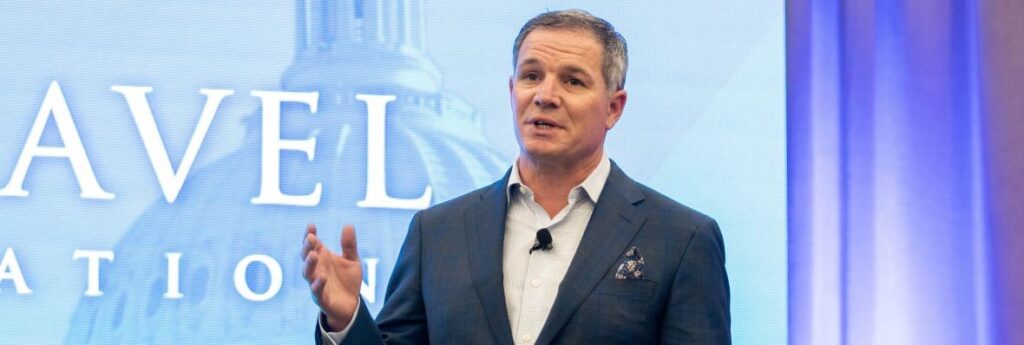
In a letter to Congress, USTA President and CEO Geoff Freeman highlighted the dangers of such an eventuality again.
“A shutdown is a wholly preventable blow to America’s travel economy – costing $1 billion every week – and affecting millions of travellers and businesses while placing unnecessary strain on an already overextended federal travel workforce,” he wrote.
According to Tourism Economics, the U.S. travel economy is at risk of losing $1 billion a week due to disruptions in air and rail travel and the closure of national parks and museums.
Meanwhile, a survey from Ipsos shows that a large majority of Americans believe a U.S. government shutdown will cause economic harm and disrupt air travel. According to the survey:
- 60% of Americans said they would cancel or avoid trips by air in the event of a shutdown.
- 81% of Americans agree government shutdowns hurt the economy, and inconvenience air travellers (86%).
While air traffic controllers and agents operating airport checkpoints are required to keep working during a shutdown, USTA says more than 11,000 FAA employees are furloughed, while 13,000 air traffic controllers must work without pay.
Although training for new controllers will also continue, thin staffing at major hubs like New York City raises the risk of delays and disruptions, says the USTA.
“The longer a shutdown drags on, the more likely we are to see longer TSA lines, flight delays and cancellations, national parks in disrepair and unnecessary delays in modernizing travel infrastructure,” said Freeman.
If this article was shared with you by a friend or colleague, you may enjoy receiving your own copy of Travel Industry Today with the latest travel news and reviews each weekday morning. It’s absolutely free – just CLICK HERE.