


Walking, hiking, and trekking offer a uniquely human way to experience and connect to a place. Whether following world-renowned routes like the Tour du Mont Blanc or detouring on day hikes through beautiful landscapes, the hiking holiday continues to grow in popularity among the North American traveller, according to the Adventure Travel Trade Association (ATTA), which also reports that hiking, walking and trekking continue to be the primary activities that adventure travellers undertake on guided trips.
With this is mind, Wilderness Travels has selected five of its favourite destinations to hike, trek, and experience at a slower pace, whether its putting in miles day after day, or simply walking from village to village savouring local cuisines, wines, and culture; or following pilgrimage trails thousands of years old. All can be found in WT’s roster of hiking tours.
- Mallorca, Spain
The largest Balearic Island, Mallorca is known for sun, sand, and beach holidays. Few people, however, experience the bounty of Mallorca’s craggy Serra de Tramuntana mountains and protected coasts by foot. Mallorca boasts the Camí de s’Arxiduc (in English, the Archduke’s Path), a well-established trail with stunning vistas that connects the communities of Valldemossa and Deià. A moderately challenging route, the trail is a nearly 14-km circuit with a total 700-metre elevation gain/loss, perfect for a day excursion.
- Moselle Valley, France, Germany & Luxembourg
The Moselle Valley, with the mighty Moselle River running through its heart, is located where Germany, France, and Luxembourg converge. It is one of Europe’s oldest wine making regions, particularly noted for its white wine selection. The area features several long-distance paths including the German Moselsteig Trail – a 365-km-long path running from Perl at the German-French-Luxembourg border to the mouth of the river Koblenz.
Broken into 24 stages that run through the area’s distinctive medieval and roman style villages and famed vineyards, and with 35 partner trails extending deeper into the region, this trail is perfect for both the hardcore multi-stage trekker and the walking enthusiast interested in going from vineyard to vineyard and exploring the area’s charming towns. On the Luxembourg side of the border, the 110-km Mullerthal Trail takes you through the heart of an area dubbed “Little Switzerland” and recognized as a UNESCO Global Geopark.
- Innlandet, Norway
Innlandet is Norway’s largest and only landlocked county. The area is home to many of Norway’s mountain peaks (there are some 13,766 named mountains here) and stunning mountain lakes that serve as the backdrop for many stories in Norwegian folklore. The area is also home to Jotunheimen, Rondane, and Dovre national parks, located in the Northern and Western areas of the County, and is well known for its productive (and delicious) agriculture.
Though the National Parks serve as excellent venues for hiking and trekking, this area of Norway is also home to a portion of St. Olav’s Way, a pilgrimage trail that runs through Dovre National Park. There are nine different paths that comprise St Olav’s Way, some 2,900 kilometres of trails, all of which eventually lead to Nidaros Cathedral in Trondheim. Here there is a shrine to Viking king Olav II Haraldsson, who was canonised in 1031. This has been the most important pilgrimage site in the Nordic countries since this time.
- Alay Mountains, Kyrgyzstan and Tajikistan
For the mountaineers out there, The Alay are a stunning sub-range of the Pamirs of Kyrgyzstan and Tajikistan that offer some of the most rewarding—and challenging—hiking imaginable, as well as a fantastic immersion into the area’s welcoming mountain culture. Home to towering peaks and plunging valleys, the Alay is a realm of extremes. Some notable peaks in this range include Lenin Peak, at a towering 7,130 m., which is widely considered one of the least technical 7,000-plus peaks to summit in the world.
Other giants like Pik Tandykul and Snezhniy Shater (in English, snowy marquee) which top out at a whopping 5,500 m. are also found here. The area is a veritable mountaineers paradise lined with turquoise alpine lakes, desert moonscapes, towering mountain peaks, and green valley’s where semi-nomadic families graze their yaks.
- Northern Territory, Australia
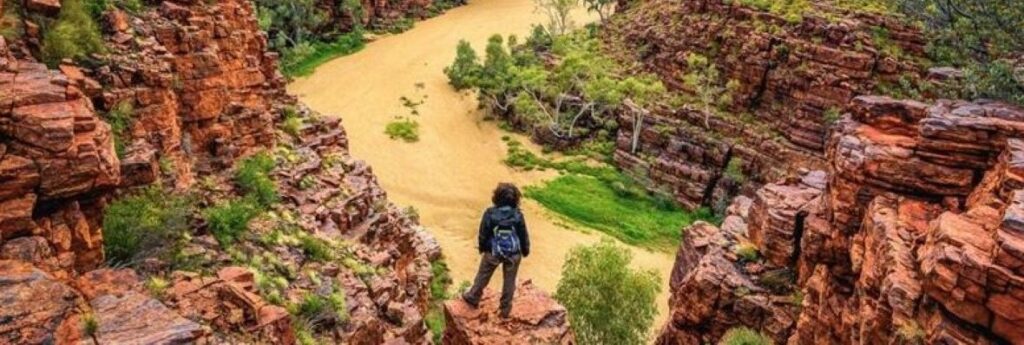
Australia’s Northern Territory is 1.4 million sq. km. of true Australian Outback known for its characteristic natural features, Indigenous cultures, dramatic landscapes, wildlife, and as the “Red Centre” of the country. A harsh environment, the Northern Territory is best suited to the well-prepared walker who is ready to experience the elements. Running through the heart of the Northern Territory is Australia’s Larapinta Trail, a new 225-km long-distance trekking and bushwalking trail that runs through the MacDonnell, Chewings, and Heavitree Ranges. The trail is broken up into 12 discrete sections with supporting infrastructure along the way including camp facilities, toilets, showers, freshwater access, and comfortable accommodations.
Honorable mentions
Of course, the above are fabulous but not the only places of note for hikers. The following have received honourable mention status from Wilderness Travel:
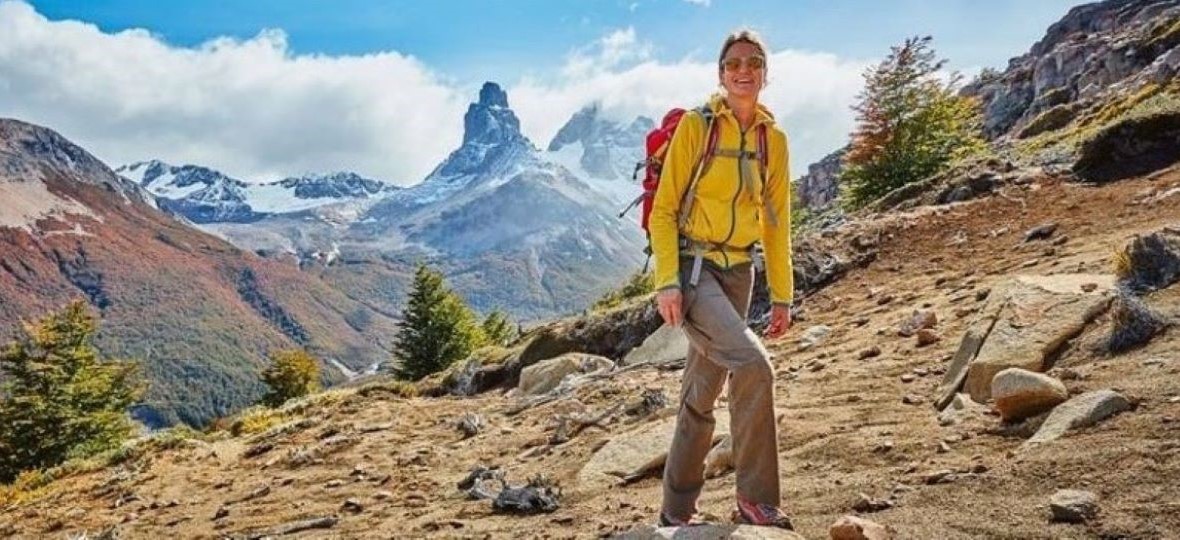
- Cerro Castillo National Park, Chile (above): Re-designated in 2018 as one the new parks in Patagonia and one of the main attractions on Chile’s new “Ruta de los Parques”, Cerro Castillo is known for its jagged and distinctive mountain peaks. The park boasts some 35 miles of designated trails, called Las Horquetas Trail System, with hikes of varying difficulty. The crown jewel of the park is Cerro Castillo (In English, Castle Peak) for which the park is named, a mountain peak towering 2,765 m.
- Te Araroa Trail, New Zealand: An oldie but a goodie! The Te Araroa Trail is over 3,000 km. from top to bottom, spanning the length of New Zealand from the northern cape of Te Rerenga Wairua to Motupōhue in the South. Established in 1994, the regenerative trail continues to undergo investment and initiatives to improve the trail experience and protect Aotearoa New Zealand’s landscapes and communities
- Mustang, Nepal: The once-forbidden Kingdom of Lo, isolated on the edge of the Tibetan Plateau has been part of Nepal since the 18th century and was once a vital trade route from Tibet to Nepal. Today, Mustang is a time capsule of ancient Tibetan heritage and a place where lodge-to-lodge trekking among the mighty moonscapes of rock chimneys and soaring peaks reigns supreme. For a challenging trek and meaningful cultural immersion, Mustang is the place to visit.
- Upper Atlas Mountains, Morocco: Home of the Berber people, Morocco’s original inhabitants, the Atlas Mountains are a sprawling mountain range dotted with agrarian villages that are navigable by moped, donkey, and foot. Devastated in 2023 by a 6.8 magnitude earthquake, many of the communities in the Atlas Mountains are in the process of rebuilding. Tourism, and more specifically tourism dollars, are an important means through which local communities and business owners are able to generate funds to contribute to ongoing relief efforts. With stunning vistas and mountains peaks, the Alay Mountains are a mountaineer’s paradise.
- Rekjanes Peninsula, Iceland: Southwest of Iceland’s capital city Reykjavík, the Rekjanes Peninsula is home to some of the most dramatic landscapes in Iceland framed by Volcanoes, lava fields, sea cliffs, black sand beaches, and charming towns, with a network of well-established trails running throughout. The area is also a fantastic place to view the Northern Lights.
If this article was shared with you by a friend or colleague, you may enjoy receiving your own copy of Travel Industry Today with the latest travel news and reviews each weekday morning. It’s absolutely free – just CLICK HERE.